India is seeking a new space age, and this is what many scientists and policymakers have termed the next giant leap of this nation on earth. In recent decades, the Indian Space Research Organisation (ISRO) has characterized itself as one of the most affordable and innovative space organizations across the globe.
Since the first successful launch of a low-cost satellite through the successful implementation of sophisticated missions to the planet, such as Chandrayaan-3 and the legendary Mars Orbiter Mission, India has been able to prove its technological ingenuity. Such missions have not only helped India to bolster its scientific presence but have also inspired millions of people around the world.
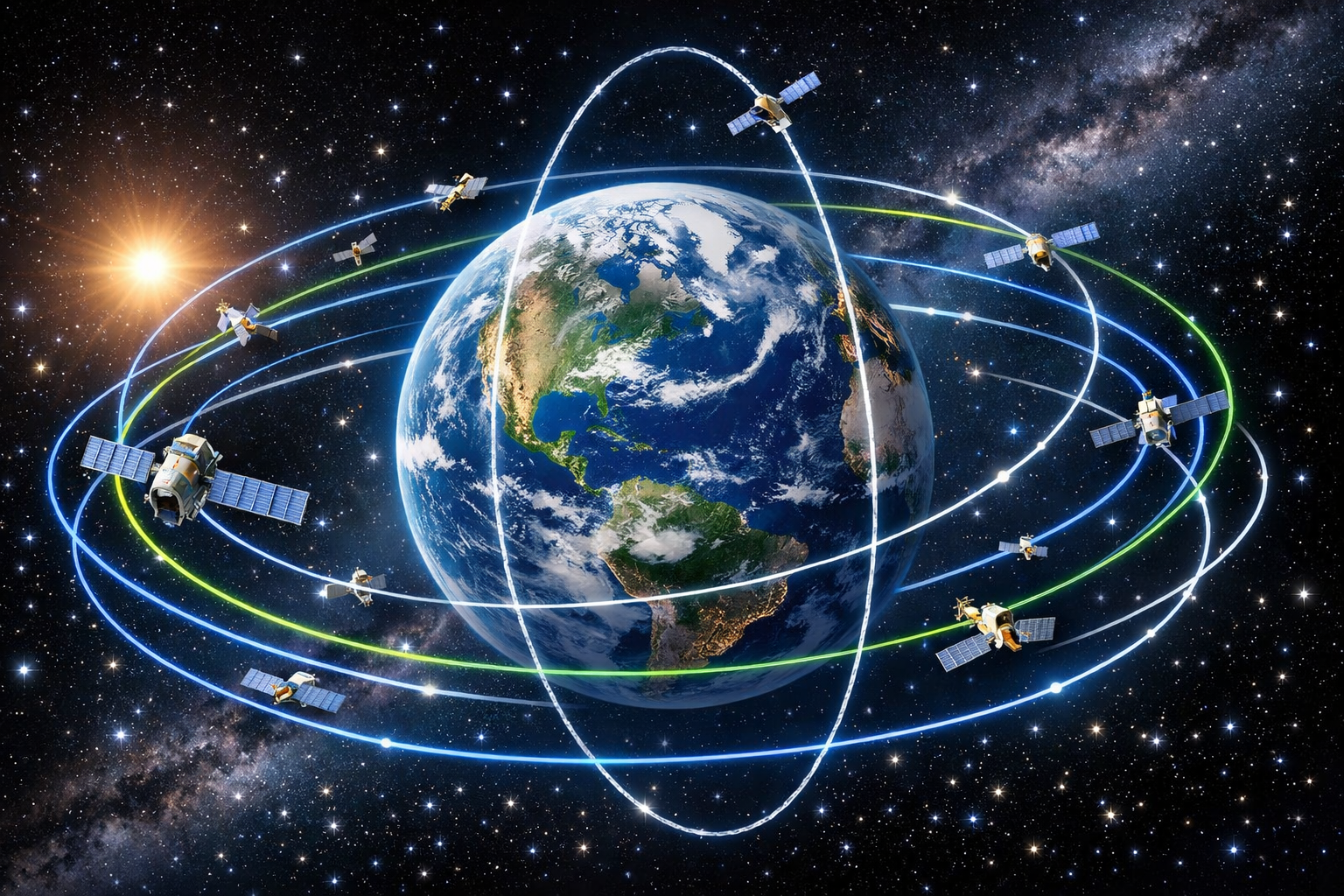
With India on the verge of the next step, attention is being drawn towards human spaceflight and deep space exploration, development of satellite technology, and international agreements that will shape the future of the space program in the country.
The Extending Vision of Space in India.
The future space programs of India are geared towards scientific breakthroughs, technological development, and economic success. It is projected that the coming ten years will see a range of innovative missions that will see India as one of the major powerhouses in space in the world.
The Gaganyaan Space Mission: Human Spaceflight.
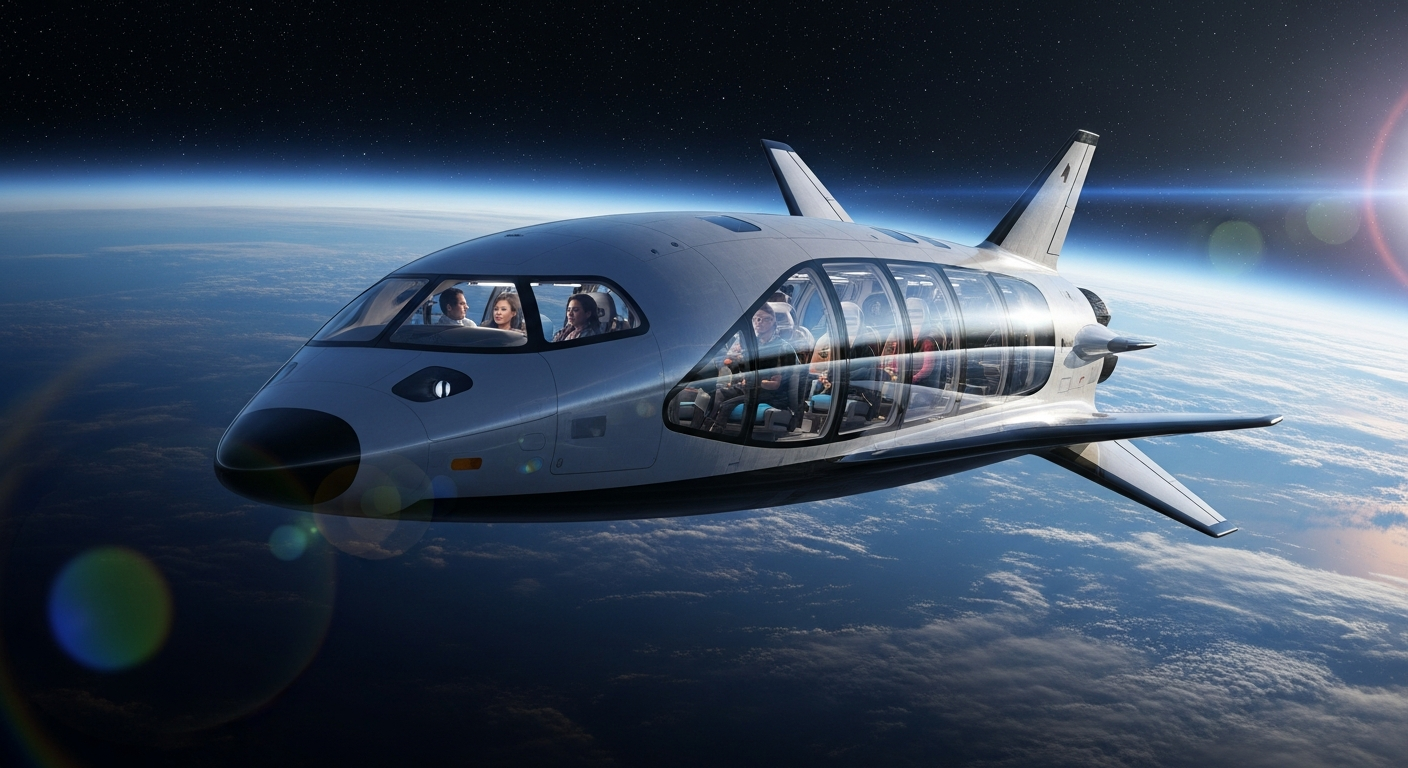
Gaganyaan is one of the most ambitious undertakings of the space roadmap of India, currently planned to launch Indian astronauts, or Vyomnauts, into low-Earth orbit.
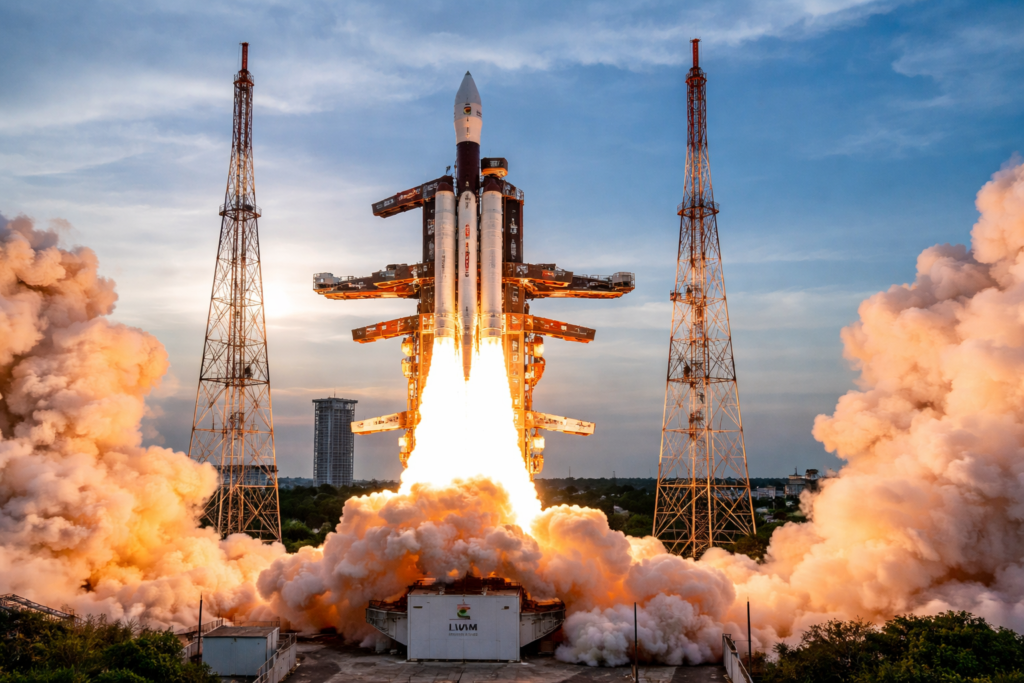
The mission will be launched in the Satish Dhawan Space Centre in an LVM3 rocket. The spaceship will accommodate a crew to spend a few days in orbit and later safely land back on the earth.
Upon successful completion, India will be among the few nations that can perform independent human spaceflight, alongside such countries as the United States, Russia, and China.
Increasing Lunar and Planetary Missions.
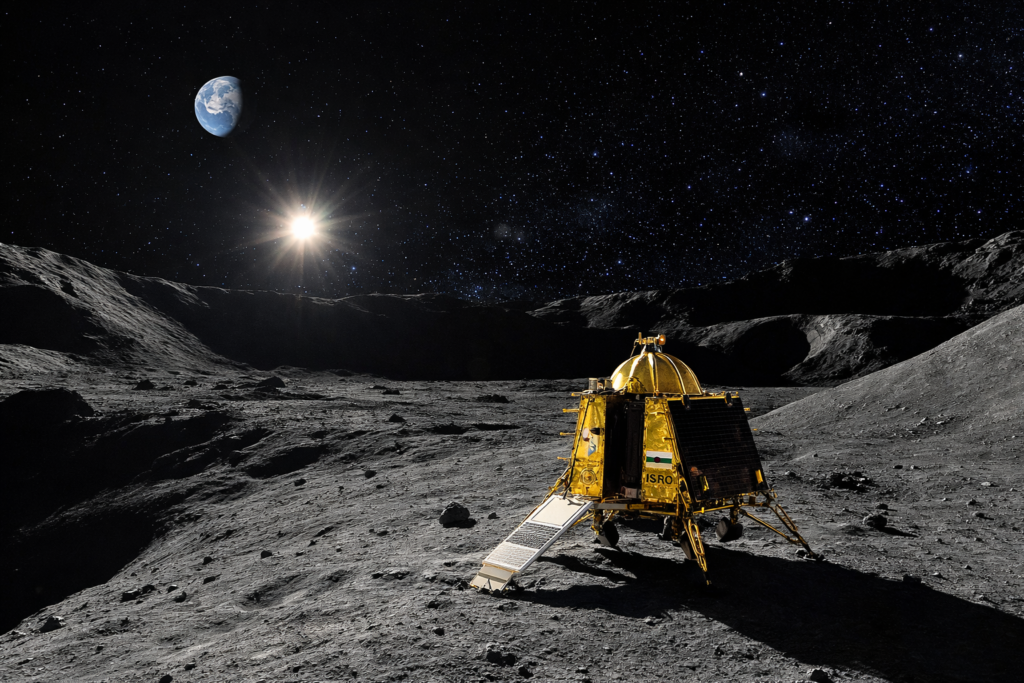
The successes of the lunar missions carried out by India have enabled more successful missions to be planned to the planets. Following the historic achievements of Chandrayaan-3 off the south pole of the moon, the scientists are now making plans to enable Chandrayaan-4 that would be in the future and will send down lunar samples that would be used in further scientific study.
The other major development mission is Shukrayaan-1, which is the first Indian mission to Venus. This spacecraft will examine the atmosphere, surface makeup, and climate conditions of the planet in order to know how Venus developed differently than the earth.
These missions will increase the Indian contribution to planetary research and interplanetary study.
Building the Space Infrastructure of India.
India is also directed towards creating long-term space infrastructure so that future missions can be done. Among the most thrilling works is the intended Bharatiya Antariksha Station.
The station will be designed as a microgravity research laboratory, where medicine, physics, and material science as well as biological research experiments will be conducted. It will also assist in training astronauts and training them to go on more complicated missions other than Earth orbit.
This infrastructure will enhance the potential of India to execute space missions spanning long durability as well as international research projects.
Ensuring Global Partnerships.
International relations and its great collaborations also help India to increase its presence in the international space ecosystem. Collaborations with other bodies such as NASA and the European Space Agency are bringing new possibilities in joint missions and sharing of technology.
Such partnerships enhance the development of science and enable India to make some contribution to the world’s space exploration missions.
Economic and Technological Effects.
The growing space program in India has also been predicted to increase economic growth and innovation. The space industry is witnessing a rise in involvement of the private companies and startups with the assistance of the regulatory bodies like IN-SPACe.
This new ecosystem will ensure that India becomes a great space technology hub with low-cost technology that will generate employment opportunities and increase breakthroughs in technology.
Conclusion
The next giant leap of Indian space exploration is not only a scientific accomplishment but also a manifestation of the even greater ambition of the country to learn more about the universe and make its own contribution to universal knowledge.
Through missions such as Gaganyaan, Shukrayaan, and future lunar exploration missions, the Indian Space Research Organisation (ISRO) is establishing a future where India is in the center stage of deep-space discovery and technological development as well as international collaboration.
With the liftoff of rockets and other missions, Indian space exploration is still making a new generation of scientists, engineers, and explorers feel inspired.
Learner panel questions: Frequently Asked Questions (FAQs).
1. So what is the next big Indian space venture?
The next space mission of India is Gaganyaan, which will launch Indian astronauts to low-Earth orbit with an Indian spacecraft.
2. What was the importance of Chandrayaan-3?
A historic move made in the exploration of the moon saw Chandrayaan-3 make India the first nation to land near the south pole of the moon.
3. Why do we have the Shukrayaan mission?
The Shukrayaan-1 mission will examine the atmosphere, surface conditions, and climate of Venus in an attempt to understand the evolution of planets.
4. Are they going to construct an Indian space station of their own?
Yes. India is also aiming at building the Bharatiya Antariksha Station, a microgravity research station in orbit.
5. What impact can the space program of India have on the economy?
The emerging space sector in India will stimulate commercial investment, employment of high-quality workers, and entrepreneurship and make the nation an international center of low-cost space technologies.