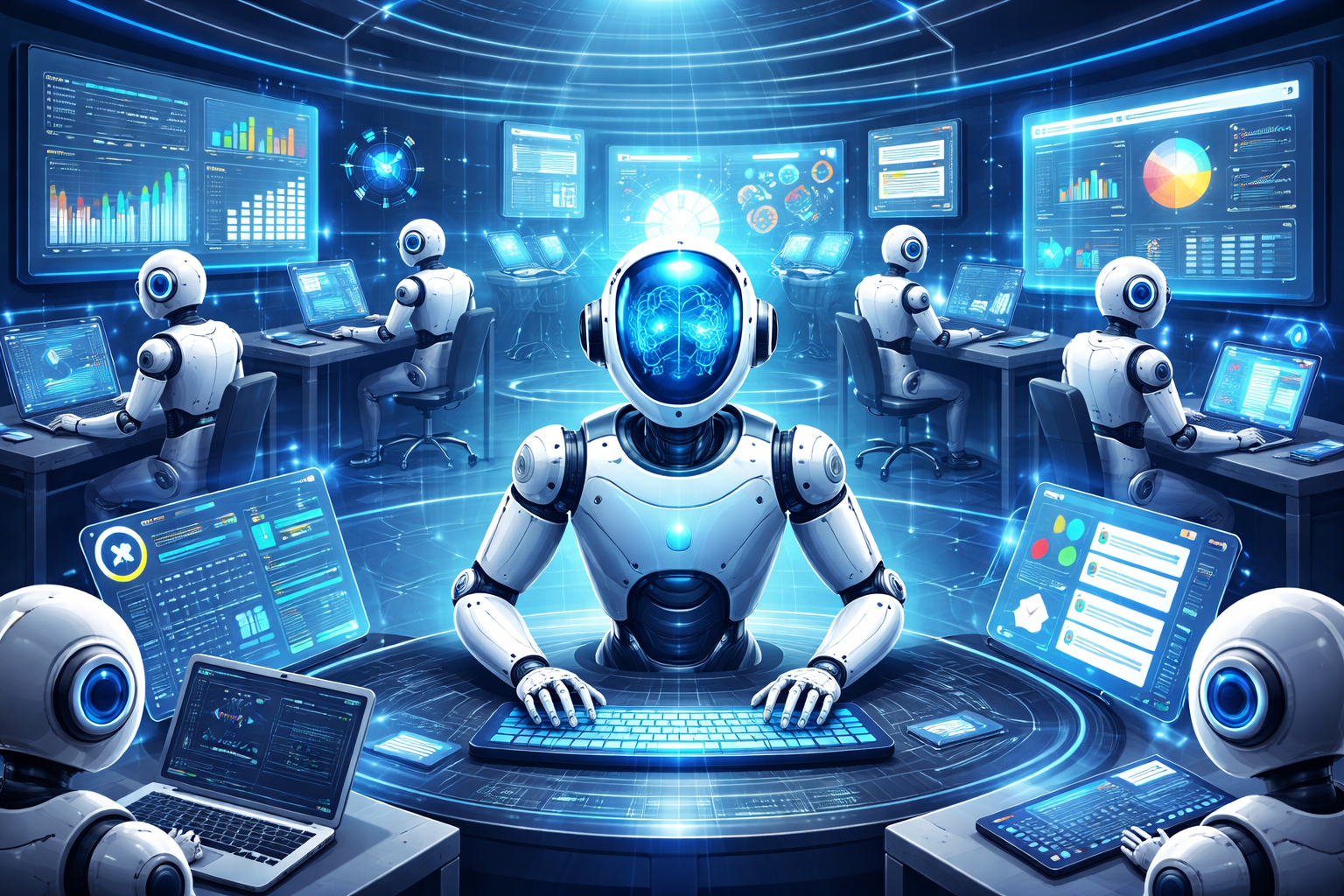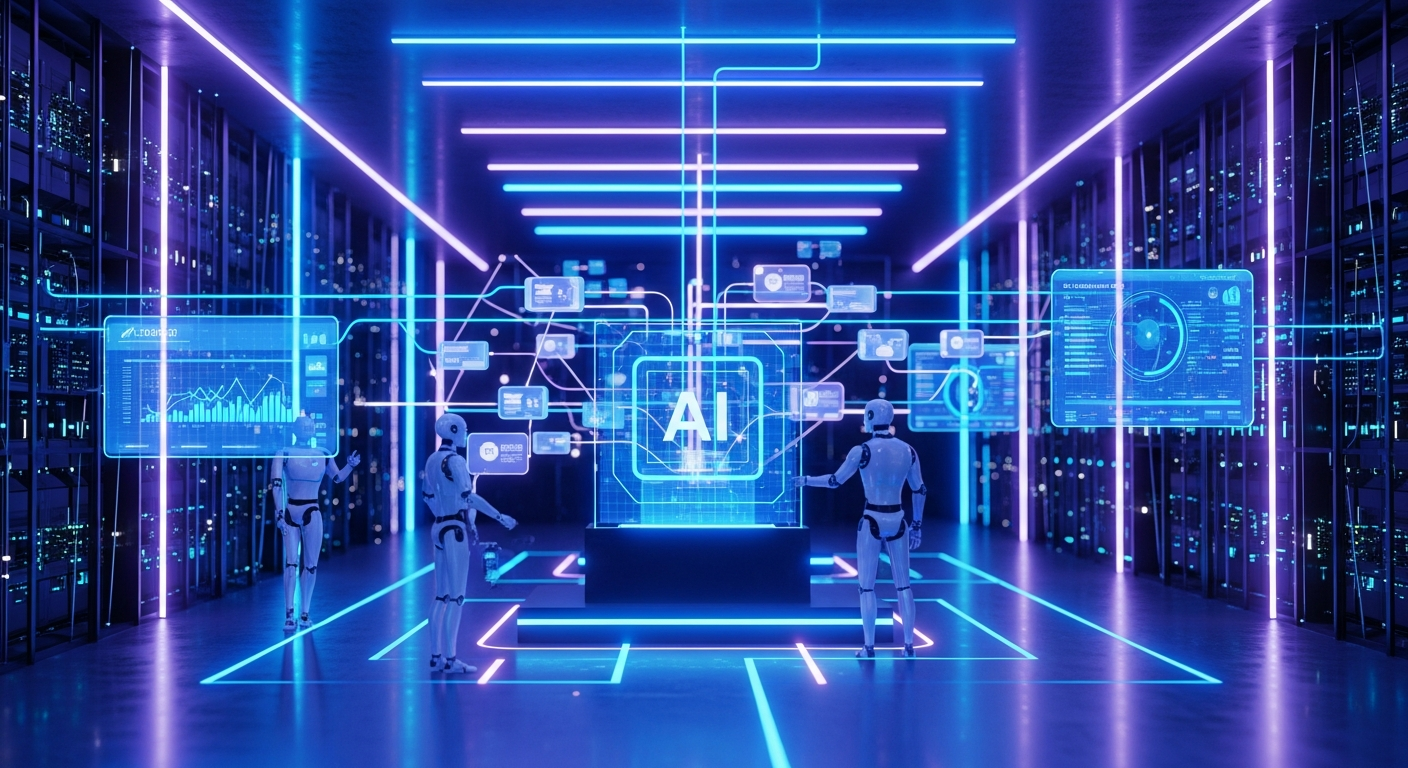
The global workforce is quickly becoming computerized and mechanized due to Artificial Intelligence (AI) and automation. Companies in all sectors are embracing smart systems to enhance productivity, minimize operational expenses and complex ways of carrying out some tasks. The future that appeared to be far, far away is currently a reality, with the advancement of AI still redefining the way work is done and business is conducted.
The future of work is emerging as an efficient, flexible and technologically driven place. It is not only the repetitive tasks that AI is automating but humans as well are able to concentrate on creativity, innovation, and strategic thinking. This change is developing an immense synergy between human beings and machines.
The Impact of AI at Workplaces.
The concept of AI has become an essential part of contemporary business. Business organizations are automating data input, customer care, scheduling, analytics and even decision-making with the help of AI tools. These technologies enable organizations to save time as well as enhance accuracy and efficiency.
AI can dig and analyze data in large quantities within a few seconds and give a business actionable information which enables businesses to make smarter decisions. This is particularly important in the competitive industries where decisions are supposed to be made fast and informed.
Virtual assistants and smart chatbots are only a few of the ways AI is making communication easier and how it improves the way customers are interacted with. Companies are able to provide 24/7 services and the customer experience is smooth no matter where he or she is located in the globe.
Effect on Employment and Labor force.
The emergence of AI automation is influencing the employment sector greatly. Even as traditional jobs are being automated, other and more enhanced jobs are coming up in technology driven sectors. It is the data science, artificial intelligence, cybersecurity, and machine learning careers that are rapidly growing.
In order to cope with this change, workers should orient towards lifelong learning and acquisition of skills. Upskilling and reskilling has become a critical career development tool in the contemporary world.
- AI is changing the conventional working roles.
- There is a new career that is beginning in technology.
- Career development requires continuous learning.
- Such human capabilities as creativity and emotional intelligence are demanded.
- The future is coming in the form of human-AI collaboration.
Companies are also spending a good amount of money on building the workforce as well so that employees have the required skills to survive in an AI-driven world.
Benefits of AI Automation
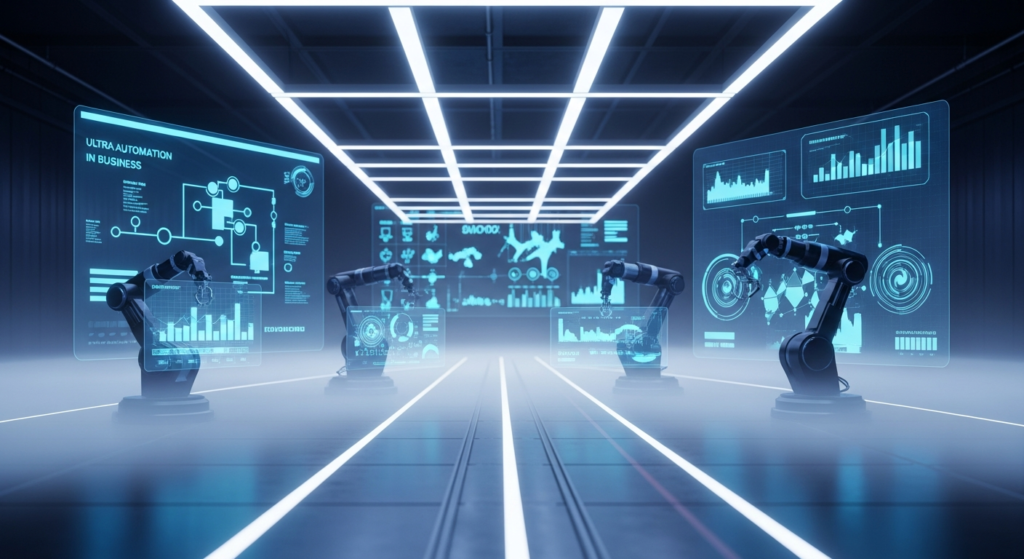
The sphere of AI automation has a broad scope of advantages to business and people. Increased productivity is ranked among the greatest benefits. Repetitive tasks are better and faster executed by AIs compared to human beings that enables employees to work on tasks that are more important.
Another significant advantage is cost saving. Through automation, the manual processes may be cut down and this lowers the labor expenses and is also more effective in the running of the organization. The result of this is increased profitability and improved allocation of resources.
Accuracy and human errors are also improved by AI and this is important in certain sectors including healthcare, finance, and engineering. Companies are able to guarantee greater quality when there are fewer errors.
Besides, AI enhances customer experience by providing personalized services, suggestions, and direct communication with chatbots and virtual assistants. This results in an increase in customer satisfaction and loyalty.
Problems and Ethical Issues.
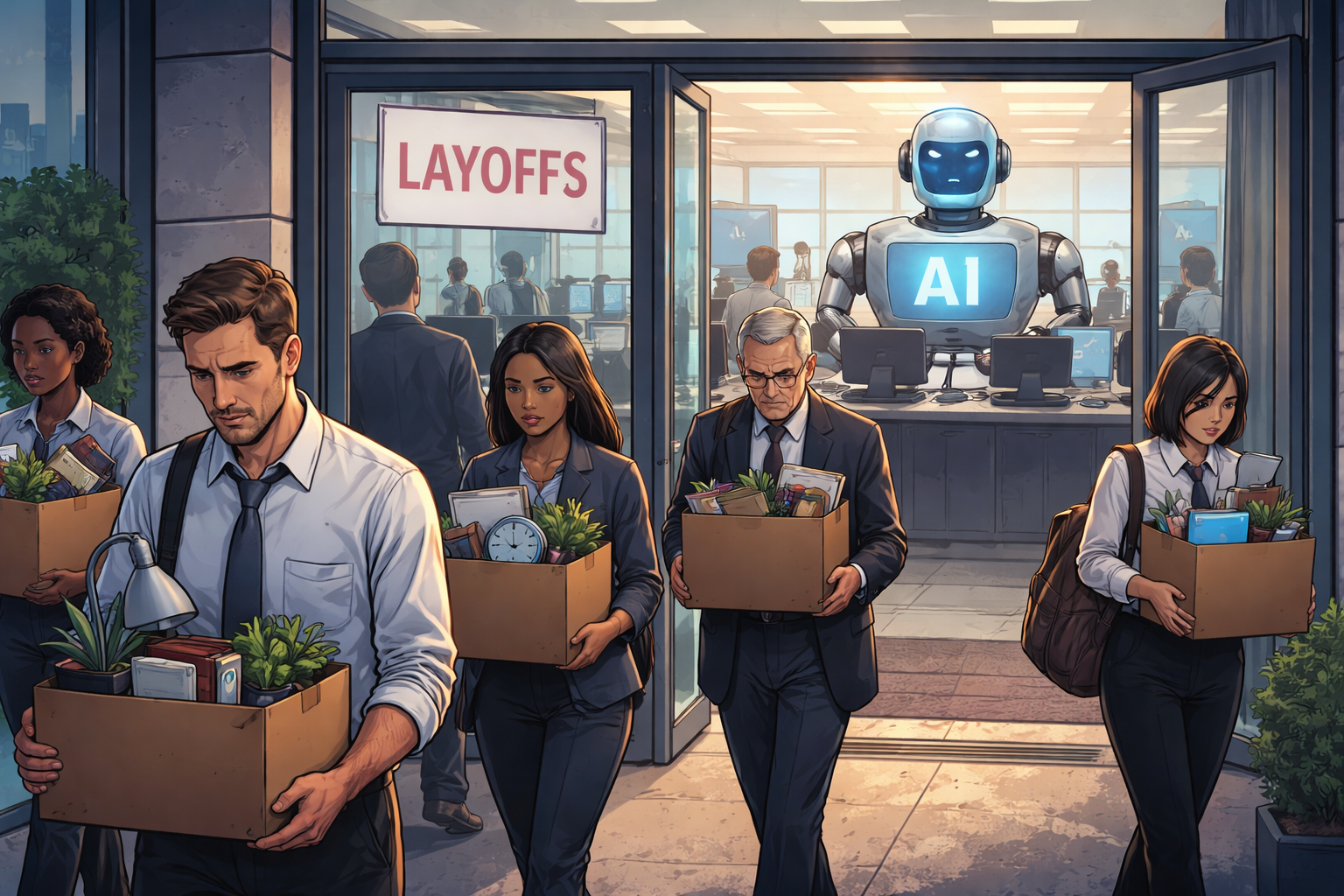
Although AI automation has benefits, it also has some challenges. Among the major issues is job displacement, which may be done by automation of repetitive and manual jobs. This also opens the possibilities of new employment opportunities in the new technology though.
The security and privacy of data are very important concerns of AI systems. Considering that AI uses vast volumes of information, sensitive information is necessary to ensure trust and avoid abuse.
A biased system of AI is another issue. In case the information that is used to train AI is biased, this may result in unjust or inaccurate results. To prevent discrimination, developers should be transparent, fair, and accountable in AI systems.
Future Outlook of Work
The future of work will be characterized by the collaboration of humans and AI. Instead of substituting humans, AI will become a strong ally that will amplify human abilities and will make work processes smarter.
The domain of remote work and digital collaboration will only be expanded due to the increased efficiency of communication and project management with AI-powered tools. The work places will be more relaxed and interwoven worldwide.
Education systems will also be modified to meet this change whereby more emphasis will be laid on digital skills, problem solving, and flexibility. It will be necessary to remain relevant in the fast-changing job market through lifelong learning.
Conclusion
The world is transforming the process of work through AI automation. It is increasing productivity, decision making and offering new growth and innovation opportunities.
Those who can be flexible, learn and adopt new technologies are the ones who will live to see the future. The integration of human intelligence and artificial intelligence can help organizations and individuals unlock the full potential never before seen and create a smarter and more efficient future.
Frequently Asked Questions (FAQs).
The future of work in the case of AI automation?
The future of work automation with AI entails human-machines to work together to enhance efficiency, productivity, and innovation.
Will AI replace human jobs?
Human jobs will not be marginalized entirely by AI. Rather, it will change the scope of work and develop new opportunities in new areas.
What can employees do to be ready for AI?
The employees can be ready to learn new digital skills, follow technological changes, and concentrate on the idea of lifelong learning and adaptability.
Which industries enjoy AI?
The automation of AI is useful in industries such as healthcare, finance, manufacturing, retail, and logistics.
What are the risks of AI?
Amongst the risks, there is job displacement, data privacy, and AI bias. They can be controlled through effective regulations and ethics.