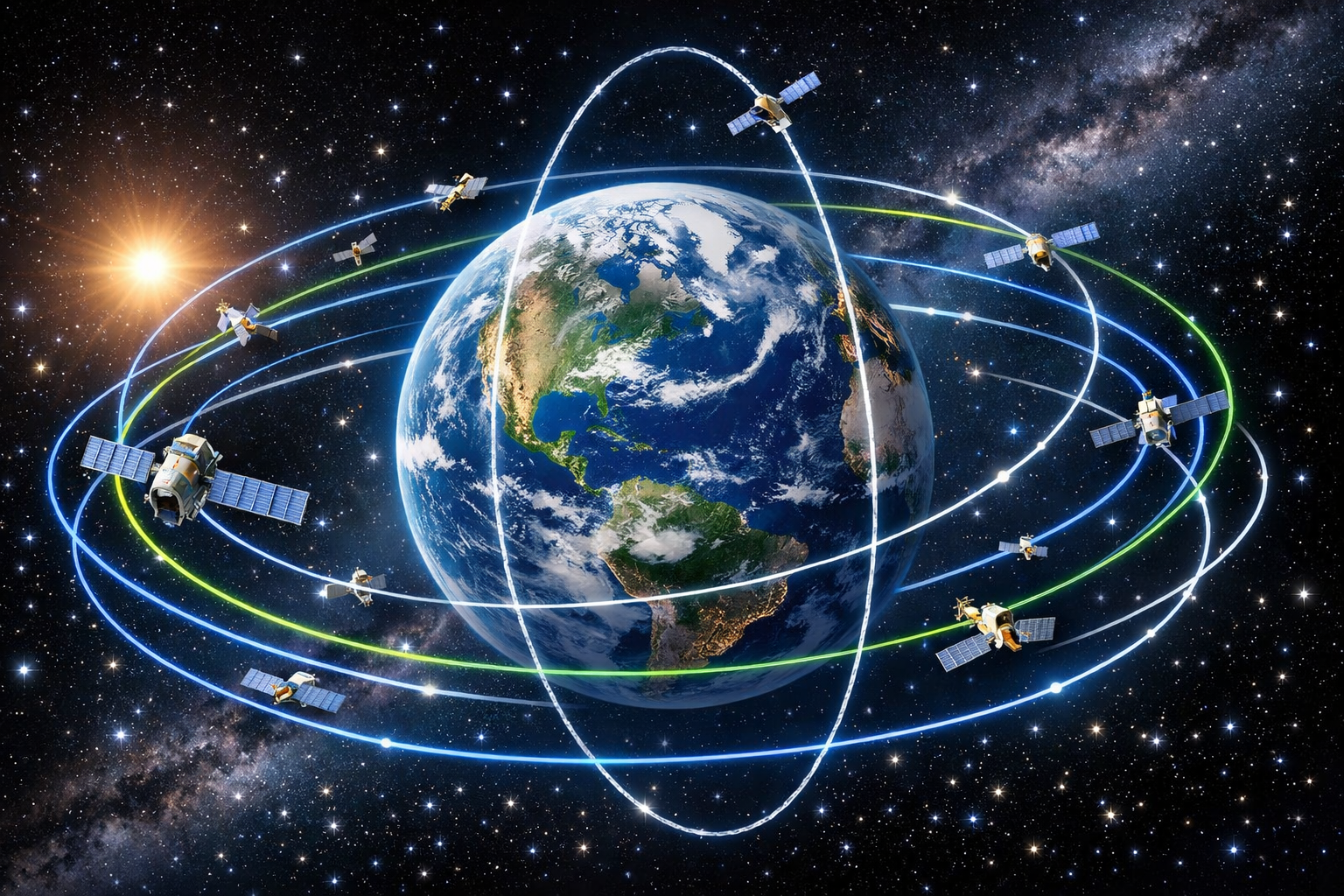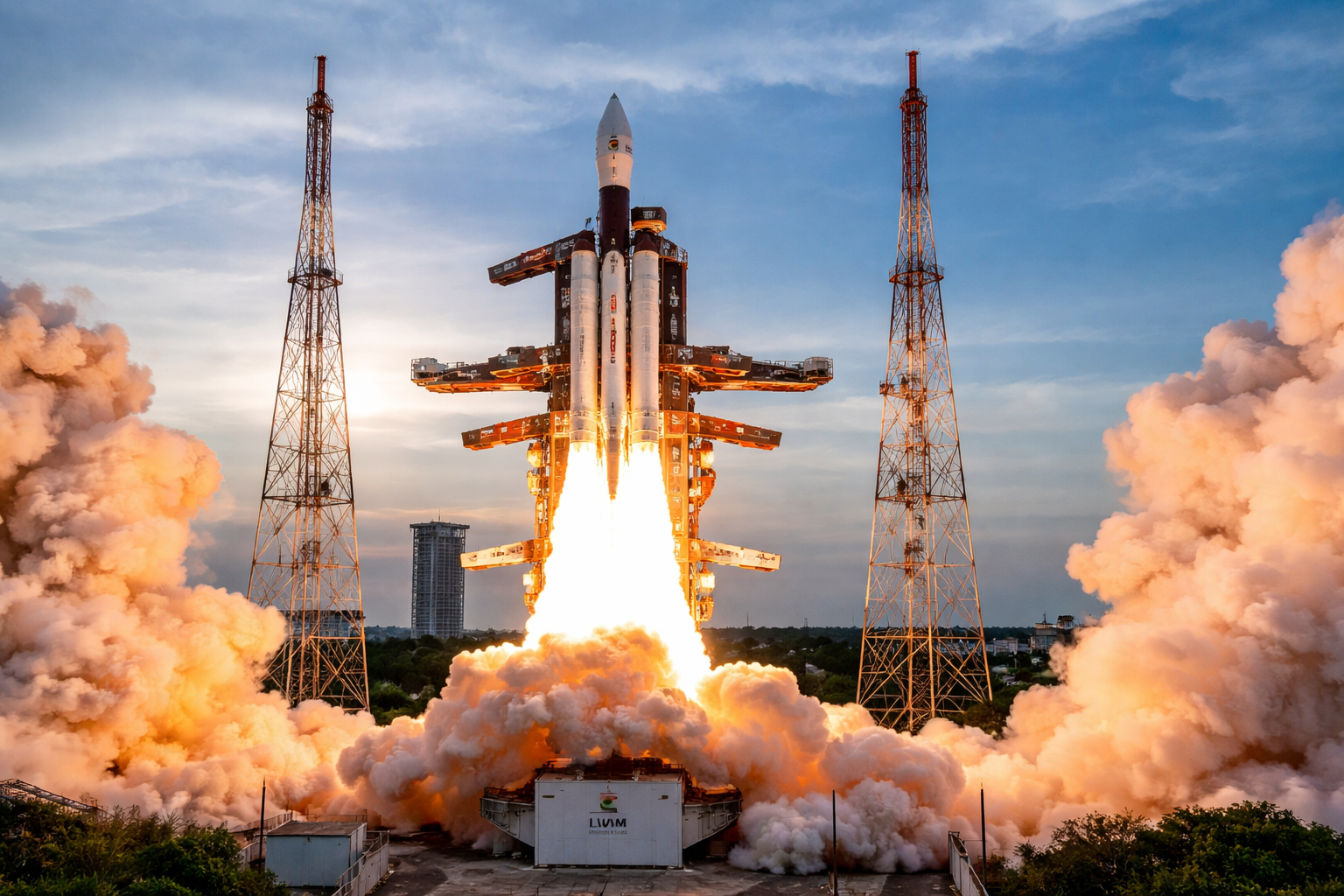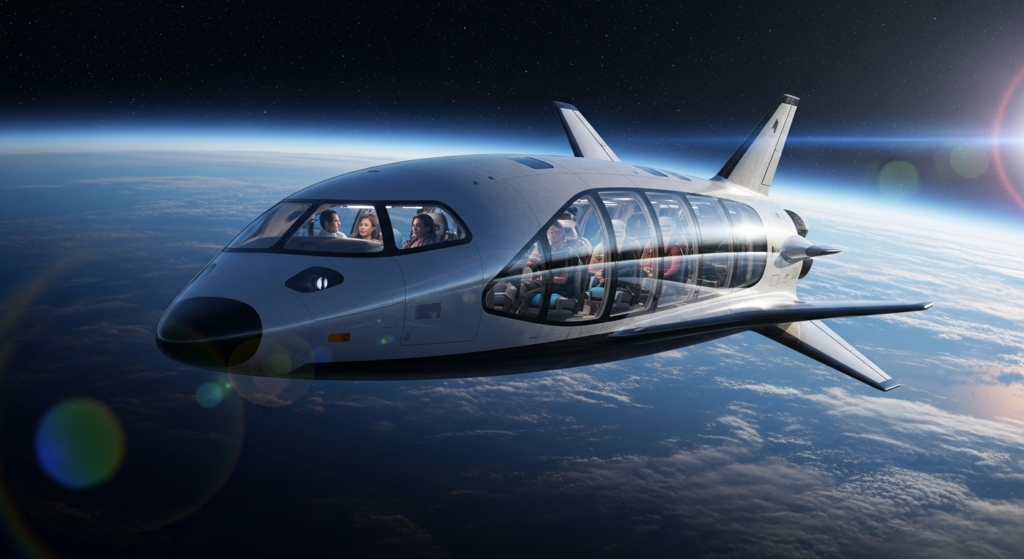
Space tourism is not a far off illusion anymore to be enjoyed by astronauts or billionaires. It is now a real-life scenario in 2026 due to the simple but high-speed development of private space corporations. Commercial space travel has been pioneered by companies such as SpaceX, Blue Origin and Virgin Galactic, who are able to provide packages of a few minutes of weightlessness to long-lasting orbital flights. These firms are pioneering technology and changing the way humankind perceives space as a destination.
The Emergence of Commercial Space Travel.
Over the last ten years, commercial space travel has moved out of the field of experimental activities and emerged as an organized activity targeting civilians. Previously, only the very rich were able to purchase these flights but with the advent of reusable rockets and the increasing competition the financial barrier has been decreased. In suborbital flights, passengers have an opportunity to spend several minutes in the state of microgravity and view Earth at the border with space, which makes the experience unique and inspiring. Orbital flights travel further where one can spend a few days orbiting the earth, enjoying the low earth orbit life. Technology, safety provisions as well as luxury facilities have transformed space tourism to a serious industry and not a novelty.
Most Critical Market Movers.
Blue Original and Suborbital Experiences.
Blue Origin specializes in sub orbital flights which offer brief but intense flights beyond the karman line. Their New Shepard rocket focuses on safety, comfort and repeatability and gives passengers the excitement of being weightless and having spectacular views of the earth.
SpaceX and Orbital Missions
SpaceX has increased its opportunities in orbital missions, such as the flights of private astronauts to the International Space Station. These are more immersive and longer space missions, which give the participants a taste of life outside the earth.
Luxury Space Travel and Virgin Galactic.
Virgin Galactic is offering high-quality space travel where the clients can experience adventure and comfort in a luxurious setting. Their spacecrafts are a mixture of safety, beauty and memorable weightless experience.
Key Trends in 2026 Space Tourism
- Short and weightless experiences on suborbital flights.
- Orbital flights with multi-day trips of the earth.
- Big forces that bring new innovation and accessibility.
- Expensive prices steadily reducing as technology goes.
- Security and training measures that are attentive to the safety of the passengers.
- The sustainability of the environment as a priority.
Costs and Accessibility
Space tourism is a costly activity but in this case the prices have also begun to vary with the advancements in technology. Sub orbital flight cost is between 250,000-500,000 per ticket whereas an orbital mission can cost between 20 million and 60 million. Some of the cost determining factors are; reusability of rockets, fuel efficiency, enhanced safety, and the demand in the market. Although it is still quite expensive to afford by ordinary people, it might bring downward trends as the companies begin entering the market and technology reaches maturity. The competition will lead to a possible expansion of space travel to non-elite customers sooner or later, given that space travel would be accessible to both fans and professionals.
Safety and Training
Passenger safety is a very important aspect of space tourism. Even suborbital visits need several days of pre-flight preparation, which consists of zero-g training, training on the emergency procedures, and physical examination. To reduce the risks, spacecraft have automated safety mechanisms, escape, and real-time monitoring technologies. Being a major investor in research and development, the private companies are keen to take care of the well-being of the passengers by combining magic of space with strong protection.
Environmental Considerations
Space tourism is becoming an issue of concern regarding its environmental effects. The launching of rockets releases a lot of greenhouse gases and can pollute the atmosphere to the upper level in case it is done regularly. Businesses have already heard about these worries and are building reusable rockets, more effective propulsion systems and cleaner fuels to reduce the impact on the environment. With the development of the industry, it will be necessary to balance commercial interests and sustainability to make sure that space exploration does not cause long-term ecological damages.
Future of Space Tourism
The future of space tourism will offer more growth, innovations, and increased accessibility. Ideas such as orbital hotels and extended trips are being considered and tourists will have the opportunity of spending days and weeks in space. With the increased technology the prices will further lower and space travelling will be open to many people. Co-operation between the government and the business is also going to give regulatory frameworks to both the safety and growth of the industry. It is possible that by 2030 space tourism might become more mainstream, and more adventure-seekers and enthusiasts will be flying there to change the relationship that humankind has with the universe.
Conclusion
The space tourism of the year 2026 has just made a threshold into the mainstream, yet it is still considered a luxury experience. As technology, safety and affordability continue to grow, more individuals will someday have a chance to witness the miracle of space. The pinnacle of innovations privately, the reuse of rockets and the new space infrastructure indicate that the vision of going to space beyond the Earth is slowly turning into a reality. With the maturity in the industry, commercial space travel might be a part of human exploration and it will not only be an adventure but it will also bring about a better understanding of our planet.
Commonly Happening Questions (FAQs)
1. What is space tourism?
Space tourism is defined as commercial travel to space by non-professional astronauts (usually leisure, adventure or exploration).
2. What will the price of a space trip be in the year 2026?
Suborbital flights are between 250,000 -500,000, and orbital missions between 20 million and 60 million per ticket.
3. Is space tourism safe?
Despite the risk that is involved in space traveling, the companies have high safety systems, training and emergency programs that are used to reduce the risks.
4. What is the duration of the space tourism flights?
Suborbital missions take a few hours whereas orbital missions take a few days depending on the agenda.
5. When can space tourism be cheaper?
Experts foresee that the cost will decline progressively in the next ten years due to technological improvements and increase in competition.