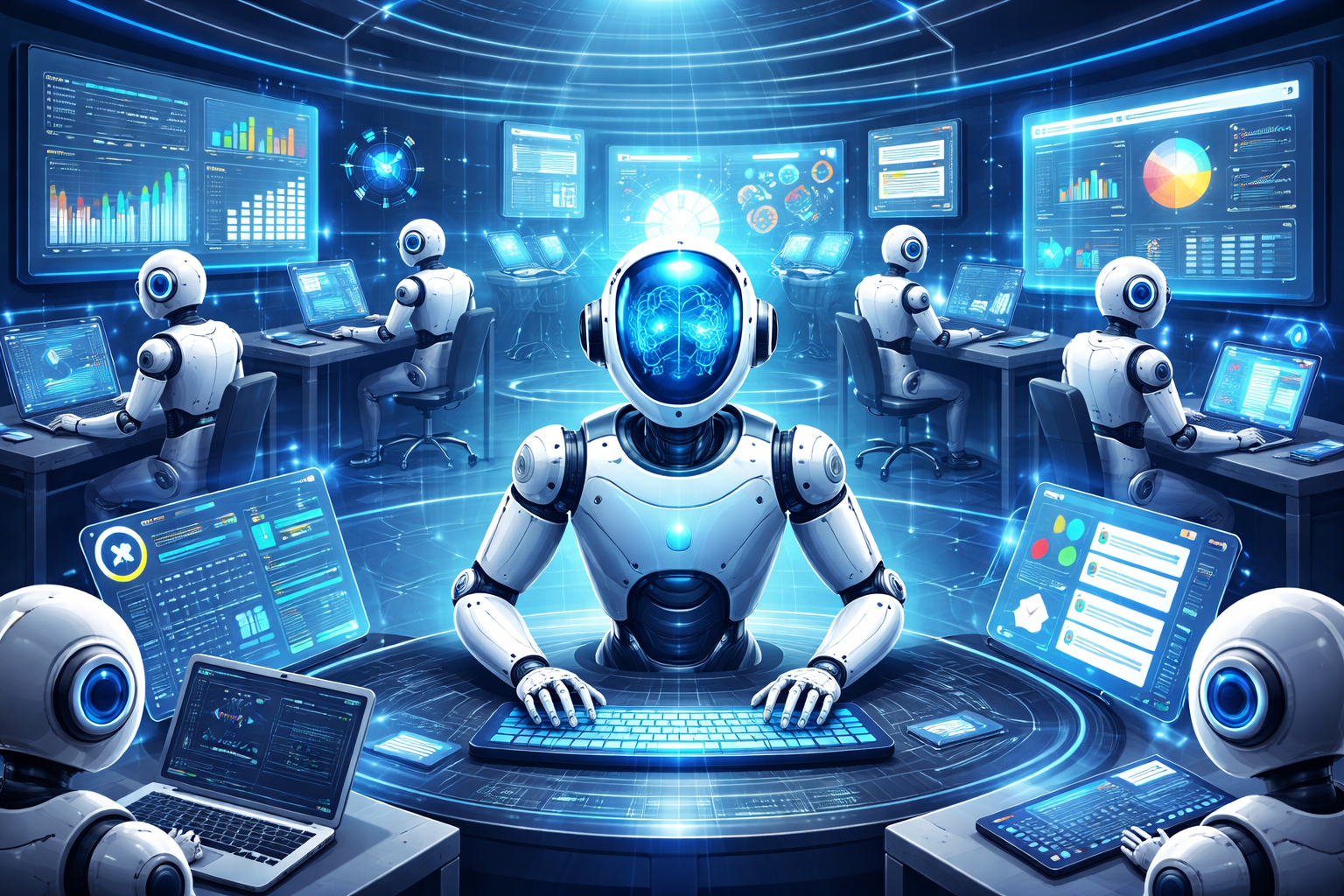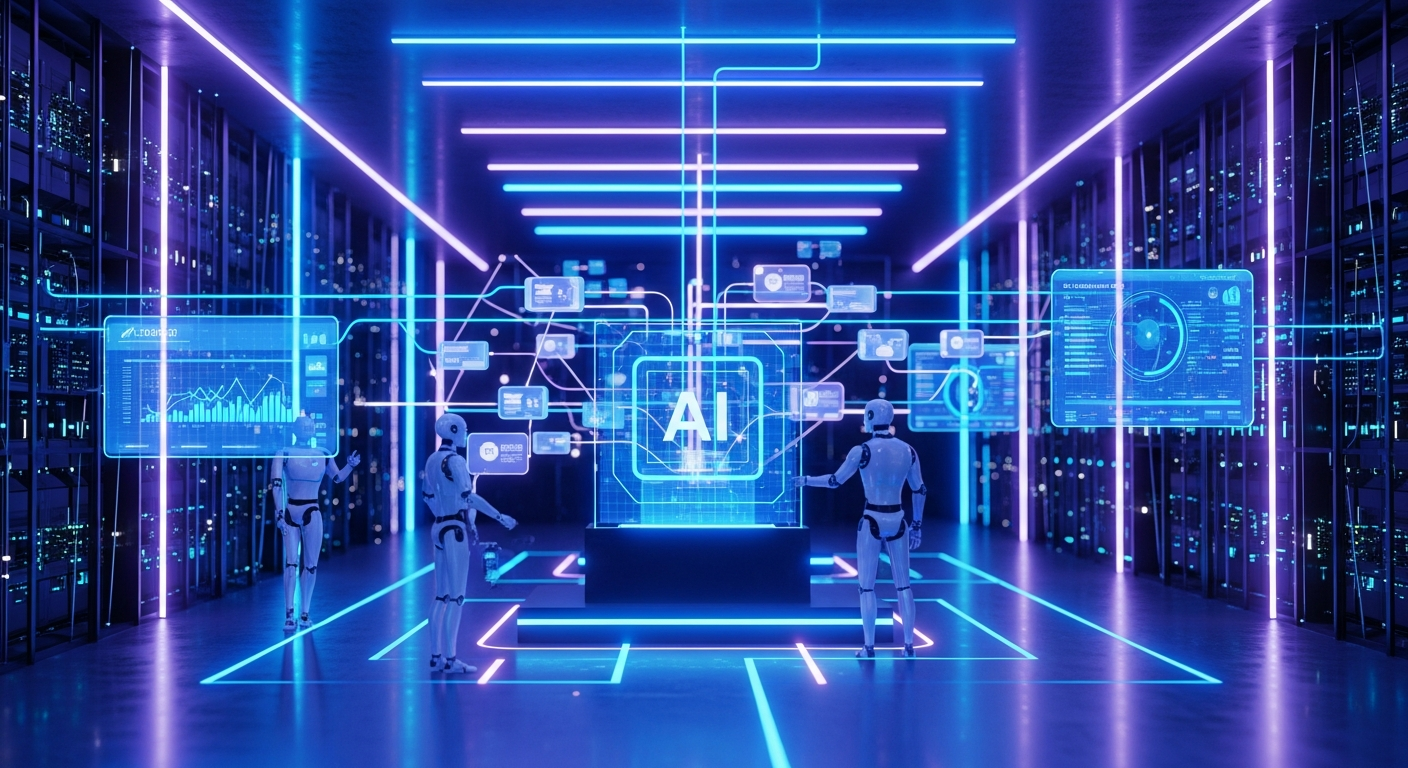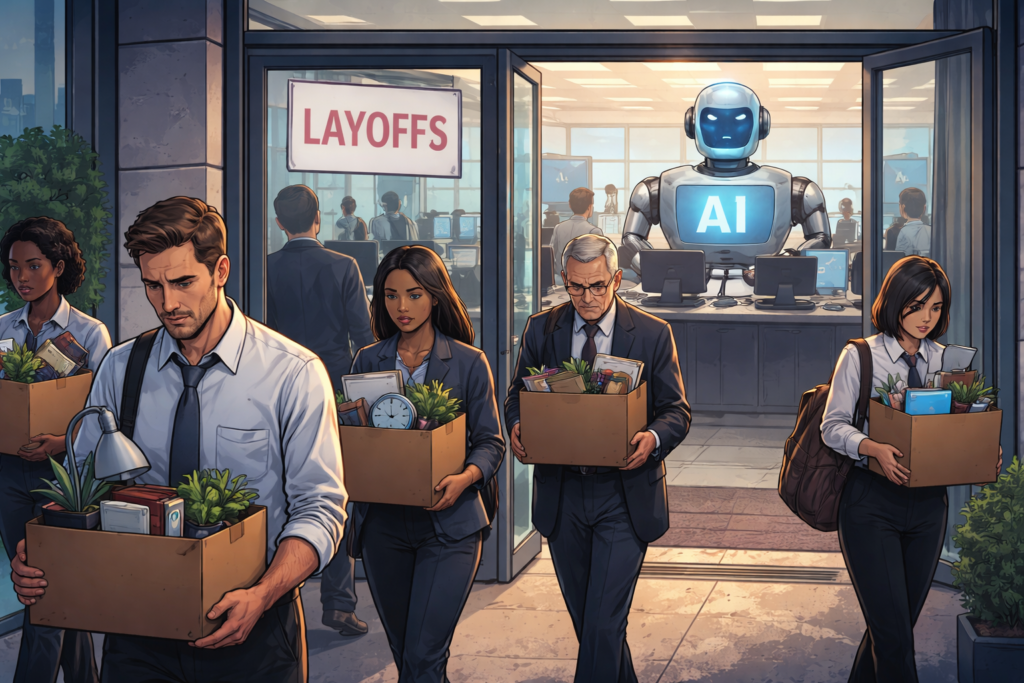
The future year 2026 is fast turning out to be the so-called AI Layoffs Era, with automation ceasing to be productive enhancement and is already becoming the workforce redesign. The front runners in this change are the Big Tech firms that are applying sophisticated artificial intelligence systems to streamline their operations, cut on costs and substitute repetitive human functions. Although the efficiency and innovation provided by AI is hard to deny, it also causes some serious issues regarding job security, the adaptation of the workforce, and the future of employment.
The Emergence of AI in Big Tech.
The development of artificial intelligence has progressed much more than mere automation. Current AI systems are able to code, create content, analyze data, do customer service, and even make strategic decisions. Businesses such as Google, Microsoft, Meta and Amazon are spending billions on AI infrastructure and it is one of the central business strategies.
The reason why companies are hastening automation.
- Cost cutting: AI systems also save a lot of labor expenses in the long term.
- Efficiency Gains: It has reduced hours of work to seconds.
- Scalability: AI enables companies to increase operations without having to recruit additional staff.
- Competitive Advantage: Alteration is quicker providing businesses with a competitive advantage in the market.
- Data Processing: AI is able to work with larger volumes of data than humans.
- 24/7 Operations: There are no breaks in machines and therefore it is 24/7.
This has seen a change in the working model as there are fewer workers working on more automated systems.
What are the jobs being phased out?
All jobs are not equally impacted. The influence of AI is the most significant in the positions that encompass repetitive duties, rule-based or predictable.
Most Impacted Roles
Software Engineers (Entry-Level)
It is now possible to produce, debug and optimize code using AI coding assistants. The situation is especially difficult with junior developers because most of the entry-level work is automated.
Customer Support Representatives
Thousands of customer inquiries can be addressed by AI chatbots and voice assistants at once, which means that a large support staff is not required.
Content Makers and Marketers.
Artificial intelligence devices have the capability of producing blogs, social media updates, advertisements and even video scripts, eliminating a part of human-centered content creation.
Data Analysts
AI is able to analyze data, produce reports and present insights quicker as compared to conventional analysts.
HR and Recruitment Roles.
Resumes are filtered, first interviews are carried out, and even the chances of success of the candidate are forecasted by automated hiring systems.
Safe Jobs (At least in the Near Future).
Although AI is disruptive, not every job is that safe because they are complex, creative, or human-oriented.
Occupations with Lowest Replacement Probability.
- Strategic Decision Makers
- AI Engineers/ Developers.
- Creative Directors
- Psychologists and Human-Centered Roles.
- Professional Trades and Physical Labor.
These are jobs that need emotional intelligence, creativity, or practical skills, which AI can still fail to imitate.
Human Cost of AI Layoffs.

The pace of AI adoption is causing severe social and economic unrest. The automation of stable jobs is causing many employees across the Big Tech companies to lose their jobs. This is a rapid change that is leaving the workers with little time to adapt.
One of the problems is the widening skill gap. There are numerous employees who do not have the technical skills required to work in AI positions. There is also an increase in job uncertainty with layoffs that have been witnessed throughout companies. This is an unstable condition to both the unemployed and the employed.
The emotional effect must not be neglected. Professional stress, anxiety and future fear are on the increase. Meanwhile, automation is straining the wages, as employers are increasingly turning to AI machines that are less expensive to operate than the human workforce.
The Change in the Direction of AI-Enhanced Labor.
The future of work is changing and not disappearing despite layoffs. Firms are shifting towards a human-AI system collaboration. This will result in a more efficient and technology-based work place.
The use of AI tools is now expected to be used by employees in their day-to-day activities. Routine jobs are being laid off, and more demanding jobs are on the rise. The professionals are required to put more emphasis on creativity, strategy and decision making.
Such skills as critical thinking and problem-solving are becoming necessary. On-going learning is also essential because remaining relevant presupposes that with time one has to adjust to innovative technologies and tools.
Upskilling: The One Way Forward.
The job market is now AI-driven, and upskilling is now necessary. Through learning new technologies, workers have a higher opportunity to remain competitive. The need is moving towards people who can use AI and know how to do it.
The most fundamental understanding of artificial intelligence and machine learning is now useful in industries. Artificial intelligence tools are becoming increasingly popular, and such skills as prompt engineering are becoming more significant. The analysis of data is also essential because companies rely heavily on the information obtained through data analysis.
The other emerging area is cybersecurity as a result of heightened digital risks. Still, in addition to technical abilities, there is also creativity and innovation which cannot be neglected because in these aspects humans are still more successful than machines.
Ethical and Policy Issues.
Ethical and policy concerns have been brought up due to AI-driven layoffs. Governments and organizations have been pressured to respond to the role of automation on jobs and society. The challenge of balancing innovation and responsibility is emerging as a big challenge.
Universal Basic Income is one of the concepts under discussion, which may grant financial aid to concerned employees. Regulations are also required to make sure that AI is applied in a responsible manner. Businesses should accept the responsibility to help the employees by providing reskilling programs.
Conclusion
The 2026 AI Layoffs Era is one of the significant turns of the technology in employment. Automation is not an act of substituting jobs but changing them. As much as there are challenges, there are also opportunities that are arising to those who are willing to adapt.
The future is in the hands of people who will be able to learn, develop, and collaborate with AI. Rather than oppose change, it is only appropriate to accept the new technologies in order to remain relevant in this fast changing world.
FAQs
1. How come that in 2026, Big Tech firms are retrenching workers?
In using AI, big tech firms are minimizing their expenses, enhancing their efficiency, and automating repetitive tasks.
2. What are the most susceptible jobs to AI?
Tech positions of entry-level, customer support, content creation, and information-related positions are very susceptible.
3. Is AI going to put human workers out of business entirely?
No, AI will substitute a few jobs but also it will provide the human-AI partnership opportunities.
4. What can the workers do to safeguard their careers?
Through acquisition of new skills, particularly, in AI, data and problem-solving as well as keeping abreast with technology.
5. Does this trend remain temporary?
No, it is a long-term trend since AI is expanding and is turning to be at the heart of sectors.