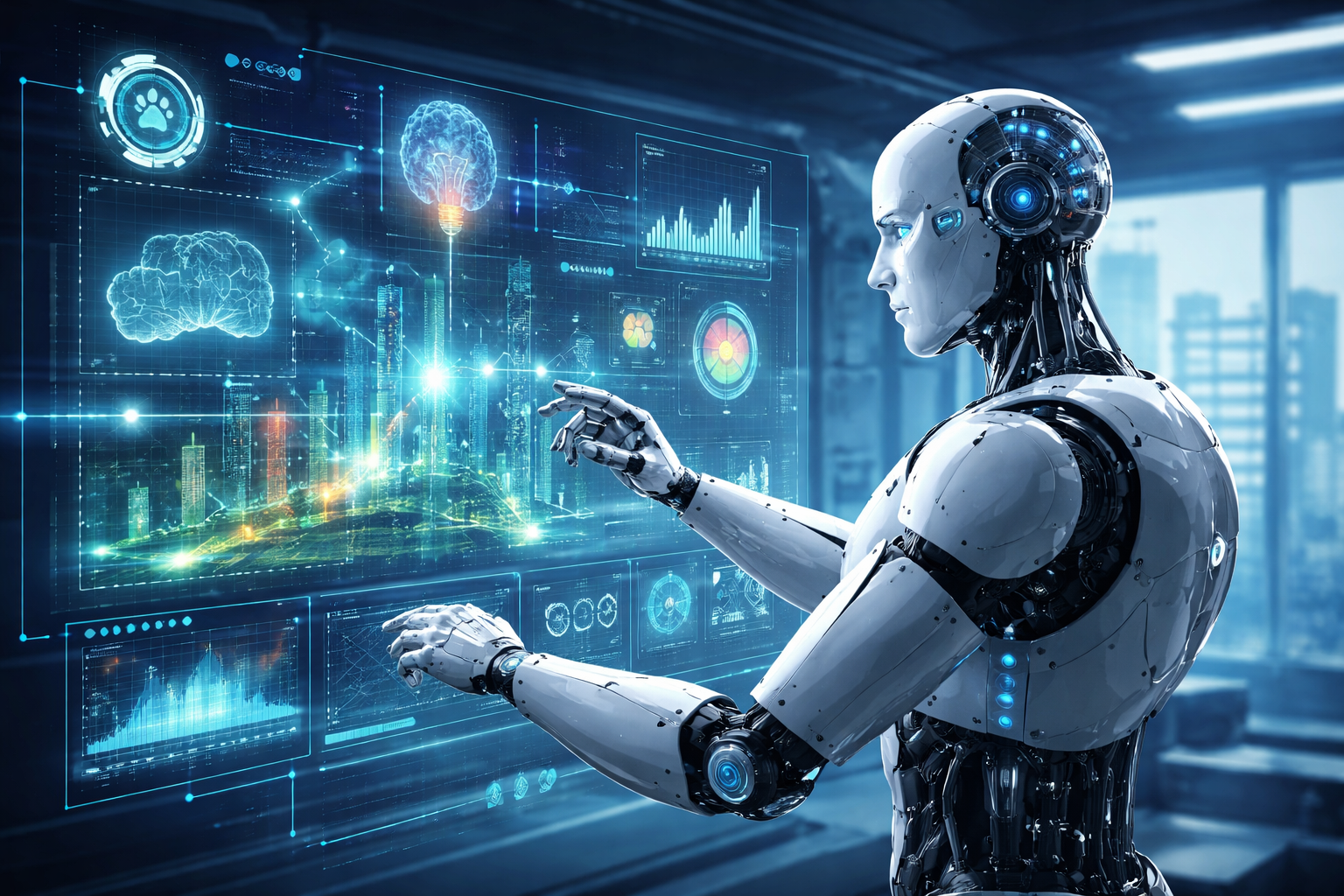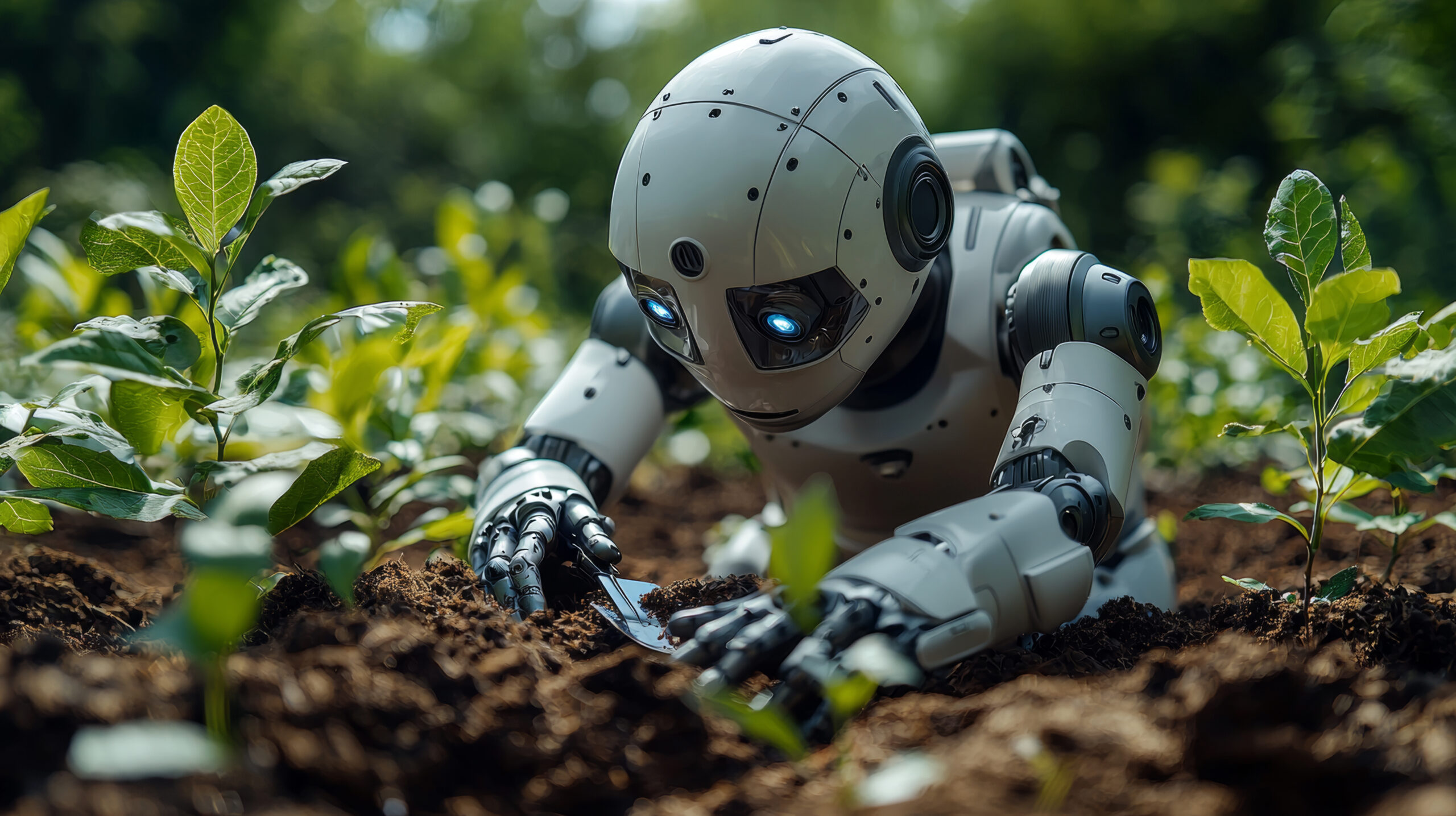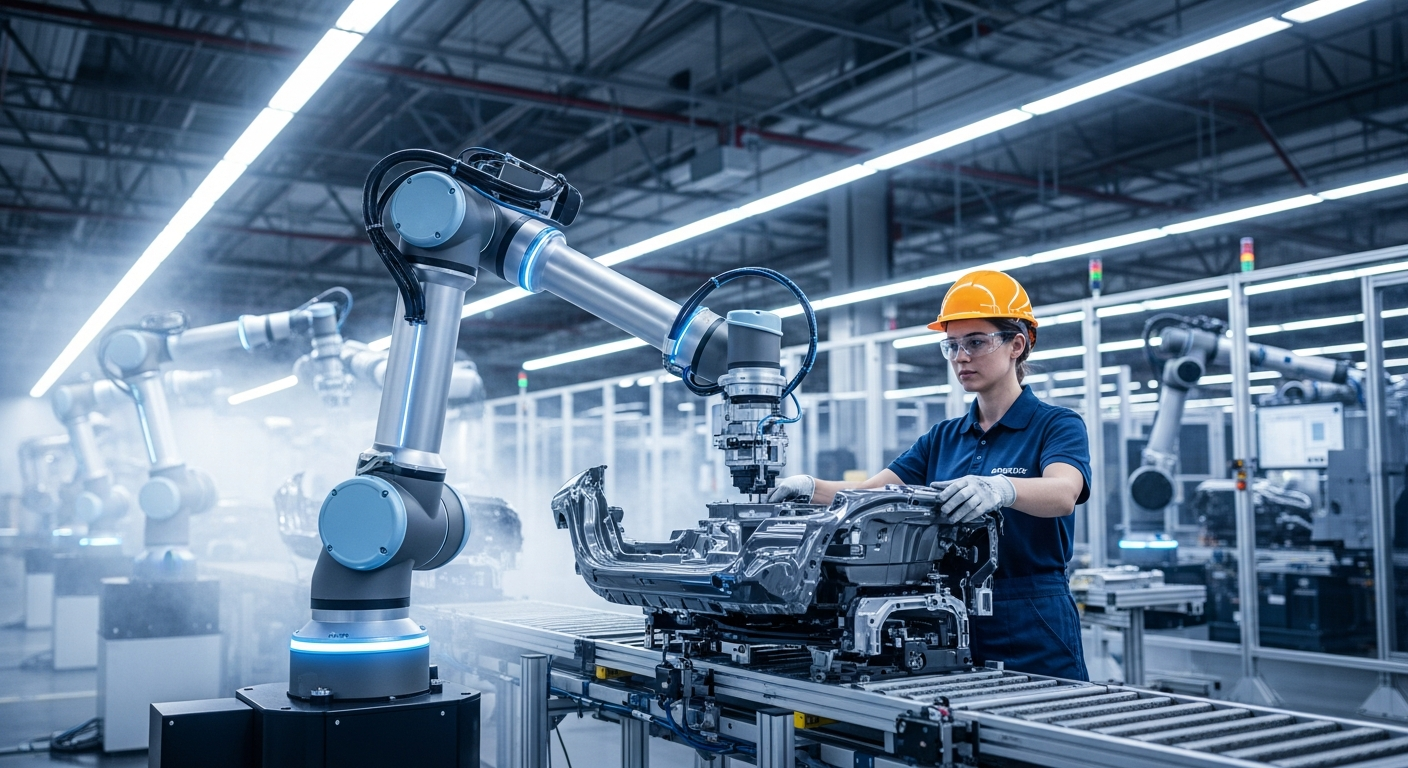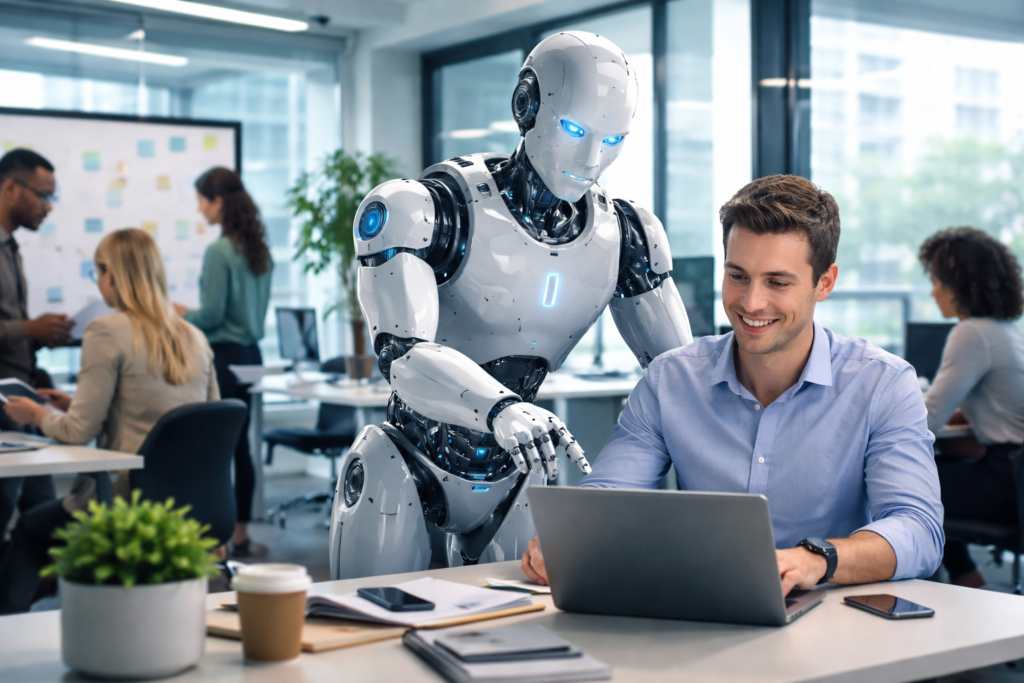
By 2026, artificial intelligence has left the realm of abstract innovation and entered the realm of actual cooperation. Among the most captivating is the emergence of humanoid robots, or machines created to resemble, move, and even interact with human beings. These AI-based co-workers are no longer a fantasy of the future, which can be found in factories or offices, and even in hospitals. Companies are fast embracing this technology in order to enhance efficiency and minimize the reliance on manual labour. But this is not only a technological change, but also a social one, because humans will have to learn to live and cooperate with intelligent machines in their daily workplace.
What are Humanoid Robots?
Humanoid robots are sophisticated machines which are designed to look and act like a human being. These systems, in contrast to traditional industrial robots, are interactive, communicative and flexible. They can comprehend human behaviors, and react to them, and can be used in workplaces that require teamwork.
Key Features
Humanoid robots are designed with various advanced features that enable them to be very effective in practical settings. These capabilities enable them to work physically and mentally as well as socialize with human beings in a natural manner.
- Motion and gesture resembling those of humans.
- AI-driven decision-making capabilities
- Communication Natural language processing.
- Facial recognition and simulation of emotional response.
All these factors make the humanoid robots more of intelligent helpers and not as programmed machines.
The reason why 2026 is a breakthrough year.
Technological Advancements
Artificial intelligence and robotics are rapidly developing, which has turned 2026 into an iconic year. It is now possible to have machines that can perform complex tasks and do so more efficiently and more precisely than ever before.
- Enhanced AI algorithms that can make decisions in real-time.
- Improved vision systems and sensors.
- Increased battery life and energy efficiency.
Such developments have greatly enhanced the functionality and effectiveness of humanoid robots in industries.
Increased Investment
Investment in robotics worldwide has grown exponentially, with investment being made by individual corporations as well as governments in innovation. This funding is boosting research and the accessibility of humanoid robots.
Workforce Demand
Multiple industries have experienced labor shortages that have resulted in high demand in automation. Humanoid robots are assisting corporations to remain efficient by occupying positions that are hard to fill when human beings are employed.
Industries that are adopting Humanoid Robots.
Manufacturing
One of the first to use humanoid robots is the manufacturing industry. These robots are very precise in repetitive and physically demanding tasks and enable companies to enhance efficiency and minimize errors.
Healthcare
Medical robots are assisting human medical workers in performing routine tasks in healthcare. They aid in patient care, keep an eye on health conditions and aid in decreasing the workload of the doctors and nurses.
Retail and Customer Service.
Humanoid robots are being used in retail businesses to improve interaction with customers. These robots help, respond to questions and direct customers, which enhance overall shopping experiences.
Education
Schools are also incorporating humanoid robots in the learning classrooms to help in making learning more interactive. They assist in explaining concepts, supporting teachers and involving students in a more active manner.
Pros of AI Co-Workers.
Increased Productivity
The capability of humanoid robots to work without getting tired is one of the greatest benefits of these robots. This enables companies to produce more and operate at a steady level.
Cost Efficiency
Humanoid robots are beneficial in that they will save operation costs in the long run despite the high initial cost. They reduce human mistakes and enhance productivity and thus are an important asset.
Enhanced Safety
Workplace safety is greatly improved with the use of humanoid robots. They are also able to carry out hazardous activities which would otherwise expose human workers to danger.
Consistency and Accuracy
Humanoid robots provide dependable and accurate results. They can do all their tasks without any variation, which guarantees quality results in all their operations.
Are we prepared to have AI Co-Workers?
Implementation of humanoid robots in work places is a progressive endeavor. The technology is on the one hand very advanced, but on the other hand, human adaptation is still in progress. Individuals are getting to know how to communicate with AI machines and gain trust in their abilities.
Cultural Acceptance
Cultural acceptance is important in the adoption of humanoid robots. The higher the number of human-AI interactions in everyday life, the more comfortable people will feel and be easier to integrate.
Skill Transformation
Jobs are evolving with the emergence of AI. To remain relevant in the changing job market, workers should acquire newer skills including technical knowledge and problem-solving skills.
Workplace Evolution
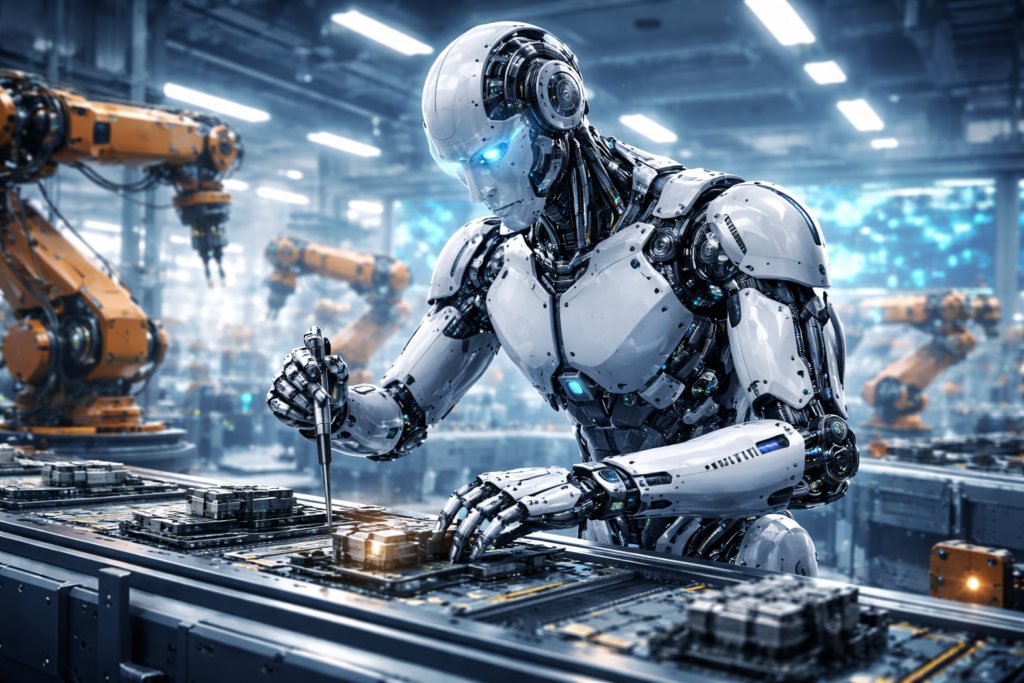
Companies are re-engineering work places to fit both human and robot workers. This partnership is providing a harmonious atmosphere that is enabling each to give their best.
The Future Outlook
Humanoid robots have a bright future due to the ongoing technological advancement. It is believed that these robots will grow smarter, cheaper and more commonplace. They will not be used to substitute people, but rather complement them to improve productivity and innovation.
Conclusion
The emergence of humanoid robots in 2026 is a key change in work performance. Industries are being changed and new opportunities are being created by these AI-driven systems. It is through adjusting to these shifts and adopting cooperation that human beings can effectively co-operate with the robotic or robot-likes in the future.
Frequently Asked Questions (FAQs)
1. In 2026, what are the applications of humanoid robots?
Humanoid robots are applicable in manufacturing, health care, retail, education, and customer care among other activities.
2. Will humanoid robots take away the job of humans?
They are likely to substitute some of the repetitive jobs but they will also generate new positions that demand a high level of skills.
3. Do humanoid robots carry any danger of working with?
Yes, they are mostly made with high safety measures in order to provide safe human interaction.
4. What does humanoid robots cost?
They are costly to install but could be economical in the long term.
5. What are the skills required to deal with AI co-workers?
Such competencies as AI management, programming, critical thinking, and adaptability are needed.