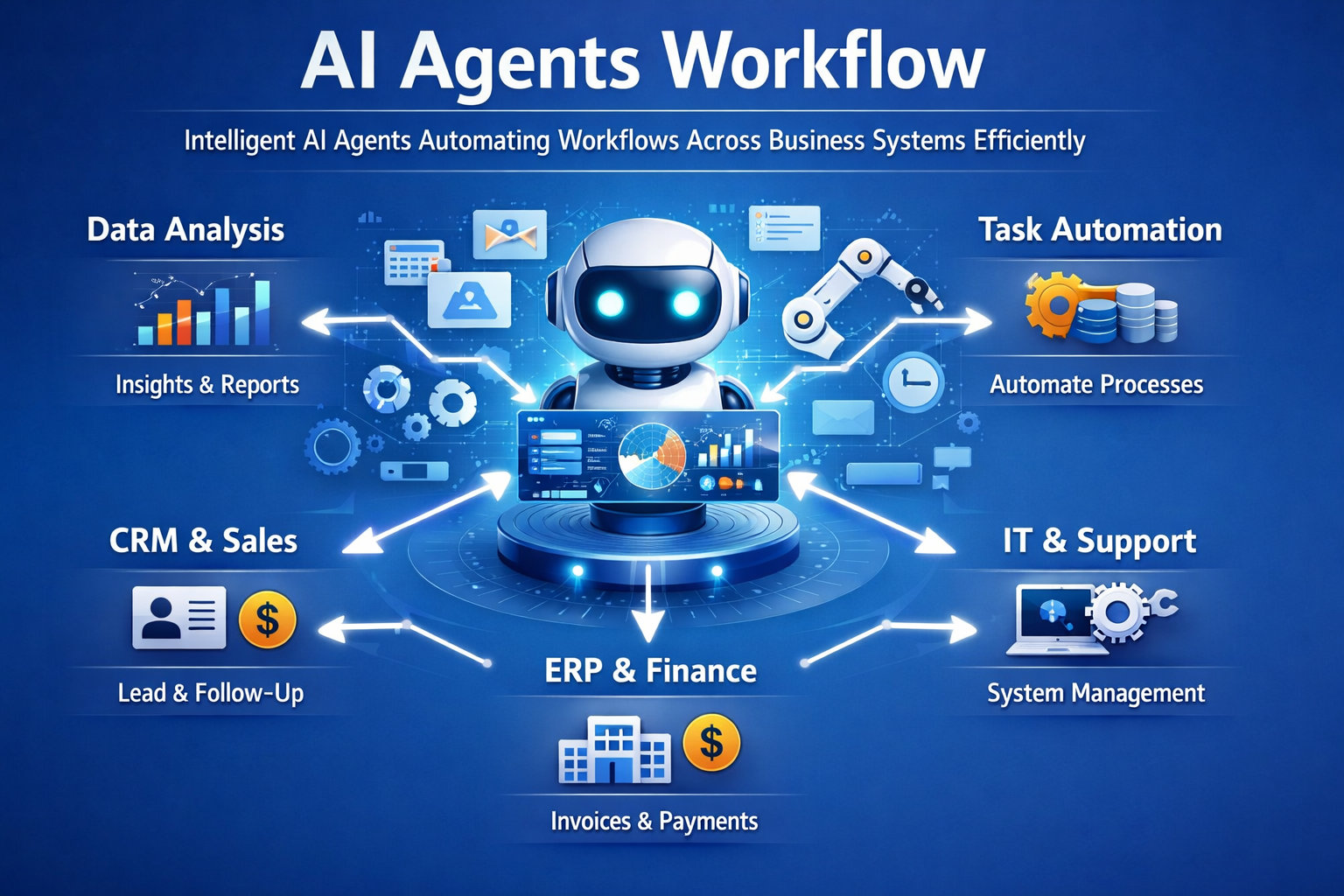
Automation is not just emerging to perform simple tasks but to be intelligent systems with the ability to comprehend and realize objectives. This change is altering the way companies and consumers are relating with technology. Users are no longer provided with step-by-step instructions but still need to specify the results, and the AI-powered systems decide the most appropriate way to get those results. Goal-based automation is a new model that is transforming workflow to be smarter, faster, and adaptive.
What Goal-Based Automation Is?
Goal-based automation is a highly developed system in which systems are programmed to accomplish a specified goal instead of adhering to rigid instructions. These systems are based on artificial intelligence to understand user intent and break it down into tasks and perform them efficiently.
Key Characteristics
The automation that is goal-oriented is unique since it brings autonomy to the digital systems. Such systems are dynamically programmed in response to dynamic conditions as opposed to using rigid programming. They are able to make sense of the situation, comprehend the priorities and modify the workflow. This renders them very effective in multi-step processes which are complicated and when it comes to traditional automation, the latter would not manage it. Gradually such systems too learn experiences and enhance their performance and decision making without the need to be guided by humans.
Prompts to Goals: Evolution.
Prompt-Based Systems
Quick-to-action systems are systems which demand specifications and instructions given by the user. Though good, they are more reliant on the effectiveness of the user communicating with the system. The slightest variations in wording can lead to variations in the outcomes, and thus they cannot be easily automated in large numbers. These systems are very effective but in most cases require time, effort and technical knowledge in order to produce the same results.
Goal-Based Systems
Goal-based systems make this interaction easier, because it is based on the end objective, as opposed to the process. The system lets users specify high-level goals, and does the planning and implementation. This simplifies it and enables users who are not technical to use advanced automation. These systems are more precise and optimized and yield better results with time as they keep analysing performance and changing strategies.
The way Goal-Based Automation works.
Workflow Process

The functioning of goal-based automation is a structured process that is flexible. It initiates with the understanding of the purpose of the user with natural language understanding. The system will subsequently subdivide the goal into smaller tasks and identify the optimal sequence of actions and implement them with the help of integrated tools and data sources. In the process, it will keep track of the outcomes and improve its strategy, which will lead to constant improvement and efficiency.
Advantages of Automation by Goals.
- Increased Productivity: Automates complicated processes, and saves time and effort.
- Scalability: Can easily deal with the growing workload without additional resources.
- Data-Driven Decisions: Makes more intelligent, quicker decisions using analytics.
- Lesson errors: Minimizes errors that are brought about by the manual processes.
- Continuous Improvement: learns and improves each time of execution.
Real-World Applications
- Marketing Campaigns: Automates targeted, content and performance tracking.
- Customer Support: Intelligently addressed and solves problems.
- Software Development: Aids with the code, testing and deployment processes.
- Finance Management: Maximizes budget, prediction and detection of fraud.
- Supply Chain Optimization: Optimizes inventory and logistics on-demand.
Problems and constraints.
System Complexity
It is not simple to design systems which are able to correctly read human objectives. It entails highly developed AI models, extensive data, and constant improvement of this model to make it reliable and accurate in making decisions.
Data Dependency
Data quality is important to goal-based automation. Poor decision making can be a result of inaccurate or incomplete data hence data management is a key ingredient of success.
Ethical Concerns
With more autonomy in the systems, there are concerns of accountability, transparency and biasness. These systems should be ethically and responsibly run by the organizations.
Security Risks
As automation is being increased, so is the exposure to cyber threats. Confidentiality and security of systems and data is needed to ensure the integrity of trust and operation.
What is the Future of Goal-Based Automation?
AI Agents on their own.
The systems of the future will be autonomous agents that will be able to cope with complete workflows without human intervention. These agents will work on platforms and domains to ensure that they work towards complex goals in a seamless manner.
Human-AI Collaboration
Goal-based automation will complement human capabilities and not replace them. The professionals will be more strategy-driven and creative whereas AI will be in charge of implementation and optimization.
Industry Transformation
Goal-based automation will become much more prevalent in industries like healthcare, education and finance among others which will undergo substantial transformation. There will be increased speed, smarter and efficient processes.
Intelligent Ecosystems
Inter-linked systems will exchange information and knowledge to form ecosystems, which streamline themselves together. This will result in more intelligent decision making and better results in industries.
Conclusion
Goal-based automation is one of the significant changes in the utilization of technology in order to reach the results. Systems are smarter, more adaptable and more effective as a result of the shift to goal-based systems. Companies, which implement the strategy, will be able to simplify business operations, save money and remain competitive in a highly digitalized environment. With the ongoing development of AI, goal-based automation is going to be at the forefront of the future of the workplace and innovation.
FAQs
1. What is goal based automation?
It is an artificial intelligence technique whereby systems make decisions without a set of instructions but based on the aim.
2. What is the difference between that and traditional automation?
The traditional forms of automation are based on the preset steps, whereas the goal-based ones are flexible and make decisions in the moment.
3. Are novices able to make use of goal-based automation?
Yes, it streamlines work processes, and it is even user friendly by non-technical users.
4. What are the key advantages?
It enhances efficiency, scalability and decision making and saves on manual effort.
5. Is this what will happen to AI?
Yes, the systems that focus on goals are likely to be a major aspect of future AI applications.